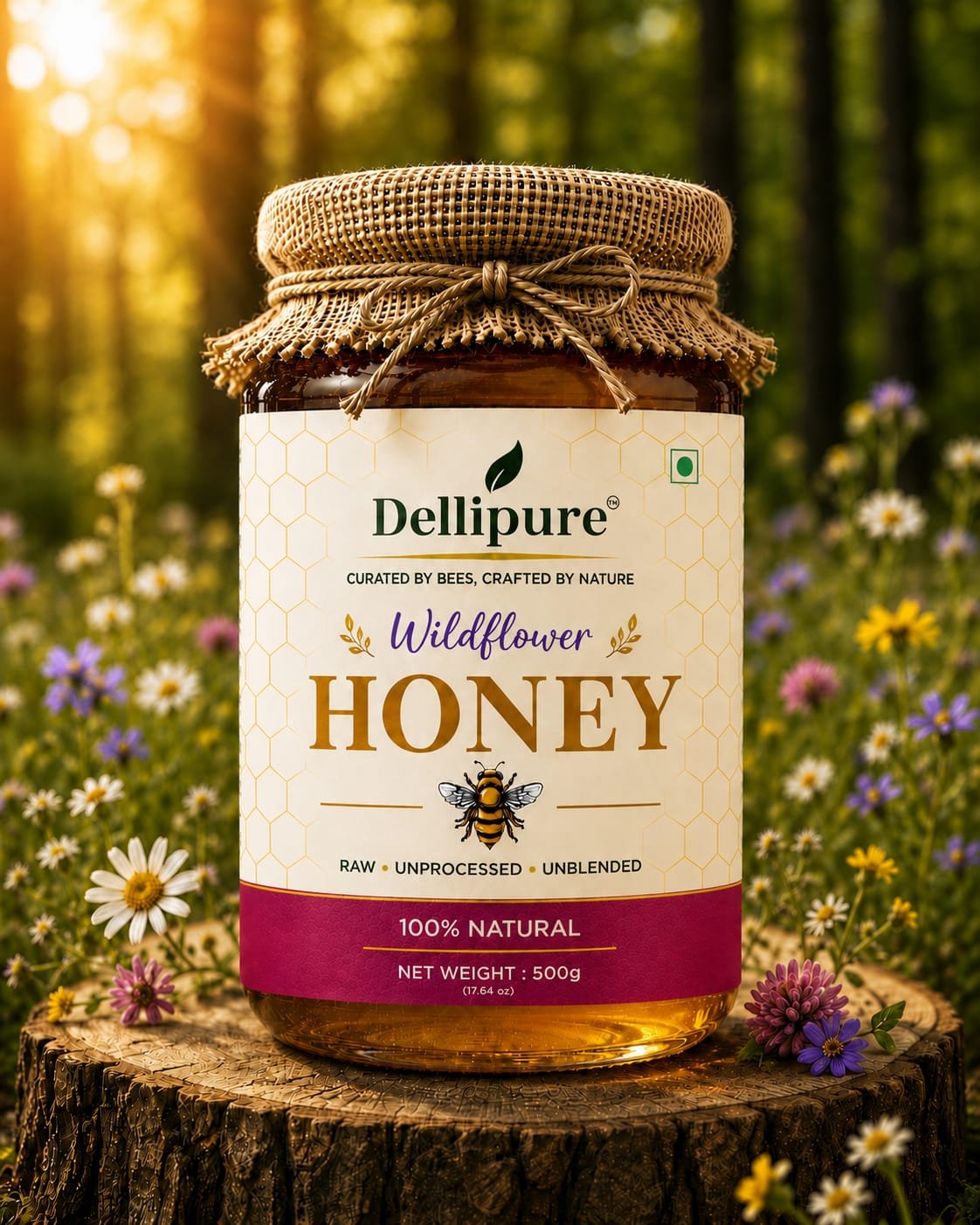
A food label should make a choice easier. Yet crowded packaging and dramatic front-of-pack claims can leave parents with more questions than answers. The solution is to read the quieter information panels first.
Begin with the ingredient list
Ingredients are generally listed in descending order by weight. For a single-ingredient staple, the list should be refreshingly short. If the front says honey, oil or moringa, check whether the ingredient panel tells the same simple story.
Check identity, quantity and dates
Look for the product name, net quantity, packed or manufactured date, best-before period and batch or lot number. These details support traceability and help you manage the pantry sensibly. Storage instructions matter after opening, too.
Put claims in context
Words such as natural, pure or traditional can describe an approach, but they should never replace facts. Look for the method used, the actual ingredients and clear statements about additives. Be cautious with language that promises to prevent, treat or cure a health condition.
A five-point label habit
- Read the ingredient list before the marketing headline
- Compare like-for-like quantities and serving sizes
- Check allergen information for everyone in the household
- Find batch, manufacturer and customer-care details
- Follow usage and storage directions after opening
Choose clarity over perfection
No single product creates a healthy family diet. Confidence comes from a pattern of varied food, sensible portions and brands that communicate clearly. At Dellipure, transparency means helping you understand what you are bringing home—not asking you to take a promise on faith.